

Table of Contents
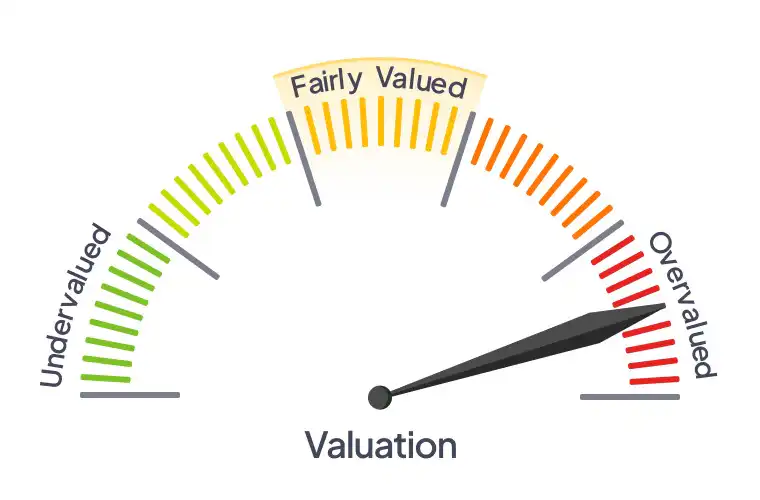




NCDEX Unlisted Share
BUY
₹ 345.00
SELL
₹ 365.00
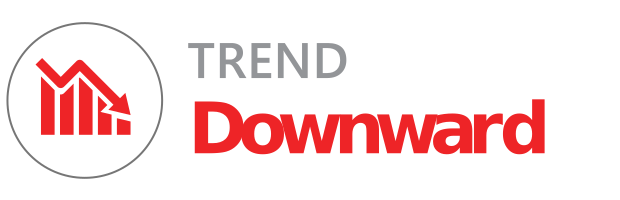
NCDEX has been in a downtrend due to poor financials in the past few years. SEBI had banned trading of key commodities on NCDEX back in 2021. This ban has been extended multiple times for a year. Earlier January 2025, there was a possibility that this ban would be removed which would improve financials of NCDEX which did push the price upward for a brief period of time. But the ban on trading of commodities was extended again for a year which pushed the price downward again.
As on May 30, 2026, we are buying shares of the NATIONAL COMMODITY & DERIVATIVES EXCHANGE LTD. for ₹ 345.00 and selling them for ₹ 365.00 per share.
About NCDEX Unlisted Share
The National Commodity & Derivatives Exchange Limited (NCDEX) is a major online commodities exchange in India, specializing in agricultural and non-agricultural derivative products. Established on April 23, 2003, NCDEX started its operations in December 2003, with the goal of creating a transparent, efficient, and secure platform for trading commodity derivatives. The exchange was recognized as a deemed recognized stock exchange by the Securities and Exchange Board of India (SEBI) on September 28, 2015.
NCDEX Unlisted Share – Company Overview and Market Position
As one of India’s most prominent commodity exchanges, the National Commodity & Derivatives Exchange (NCDEX) is fundamental to the trading of agriculture-based commodity derivatives. With a growing interest in market infrastructure companies, investors have started tracking NCDEX’s unlisted shares in the private market. NCDEX shares differ from other publicly traded exchanges as they are acquired through off-market transactions, creating a niche, yet active, market. This activity centers on the operational strength of the exchange, as well as the private-market valuation. For potential investors seeking opportunities in unlisted exchanges, NCDEX is favorable due to its regulatory endorsement and extensive experience in commodity derivatives.
About NCDEX – Business Model & Revenue Structure
NCDEX primarily functions in the commodity derivatives sector, providing a trading platform for agriculture-based and other commodity contracts. Revenue is amassed through the following:
Pricing per service for clearing and settlement functions, transactions, and memberships, as well as the sale of technology and data services. As the exchange model generally reaps the reward of a favorable regulatory environment, increased trading volume, and heightened market participation, NCDEX investors seeking unlisted shares are evaluating the exchange’s ability to improve market liquidity, gain institutional market participation, and broaden product offerings. Because of the scalable nature of exchange business platforms, profitability tends to correlate with volume and efficiency For more information related to unlisted shares you can visit Delisted Stocks
NCDEX Unlisted Share Price: How It Is Determined
The unlisted share price of NCDEX is determined by private transactions between buyers and sellers, just like the MSEI unlisted shares because these shares are unlisted and therefore have no live public ticker price on the NSE and BSE.
The price will depend on:
- Demand and supply of the unlisted shares in the unlisted market
- Share availability
- Financial results and disclosures
- Market sentiment regarding the growth of commodity derivatives
- Regulations impacting commodity derivatives
Unlike NCDEX unlisted shares, where trading is infrequent and pricing fluctuates as a result of emotion, listed shares have high trading liquidity; therefore, shares are traded with little to no impact on the price. In general, unlisted shares have larger swings, and traders focus on price movement over more extended periods before taking action.
Latest Developments & Market Updates on NCDEX
Investors looking for NCDEX updates are more interested in the most recent developments in operations and regulations, as these directly impact the NCDEX share price.
Major factors include:
- Upgrades in the trading system
- Modern policies on commodity derivatives
- Trading volume growth
- New institutional investors
- New partnerships
As businesses with typically lower business models, commodity exchanges depend on customers to trade. Therefore, a surge in trading activity tends to create a positive sentiment for NCDEX unlisted shares. Investors can gain a better understanding of price changes by following verified announcements.
Why Investors Are Tracking NCDEX Unlisted Shares
There are multiple reasons for the interest in NCDEX unlisted shares:
1. Business Model Based On Exchange
Platforms for exchanges are asset-light and provide large margins that can be scaled.
2. Growth Of The Commodity Market
NCDEX sees more transactions as the agricultural and commodity derivatives markets broaden.
3. Scarcity
Unlisted shares have a low float, especially when demand, interest from investors, and more speculation come in.
4. Interest Before A Share Listing
There are long-term potential corporate changes that can influence investors interested in unlisted exchange companies. All these aspects are vital for the consistent interest in the price of NCDEX unlisted shares in the private market.
Factors Influencing NCDEX Unlisted Share Price
Valuation is driven by market and structural elements, including:
Increase in Trading
Revenue potential gets better with the increase in trading of the commodities.
Regulation
The commodity exchanges are heavily regulated. The level of regulation has a great impact on the confidence of investors.
Tech and Infrastructure
The better the trading, clearing, and data systems are, the more efficient the organization can be.
Competition In The Commodities Segment
How well a commodity exchange performs in comparison to others is a major determinant of demand. Unlisted Market Liquidity The presence of buyers and sellers, as well as institutional interest, can influence the short-term fluctuations of the NCDEX unlisted share. These variables provide the basis on which investors can determine if the movement in prices is a function of fundamentals or just a shift in demand.
Comparing NCDEX With Other Exchange-Based Unlisted Shares
Investors tend to draw comparisons between NCDEX and other unlisted segment companies that are exchange-based. Although the equity and commodity exchanges are different in their functioning, some of the similarities in their valuation include:
- Potential of the platform
- Diversified revenue streams
- Presence of institutional investors
- Regulatory framework
Such comparisons are critical in determining the position of NCDEX in the entire exchange ecosystem.
Business Divisions:
NCDEX operates across multiple segments, providing a broad range of services in the commodity derivatives market:
- Commodity Trading:
NCDEX facilitates the trading of 23 agricultural and non-agricultural commodities, such as pulses, spices, and guar. These commodities hold economic significance in India, and NCDEX provides a platform for efficient trading, price discovery, and risk management for these products. - Futures and Options Trading:
NCDEX is well-known for offering commodity futures, options in goods, and index futures. These derivatives help market participants hedge against price volatility in the commodity markets, ensuring more stability in agricultural and industrial sectors. - Technology and Infrastructure:
NCDEX is recognized for its technology leadership, being the first Indian exchange to operate out of a Tier-IV data center. This state-of-the-art infrastructure supports secure and efficient trading, providing a robust platform for investors and traders. - Price Benchmarking:
NCDEX serves as a benchmark for commodity prices in the domestic and global markets, particularly for agricultural commodities. It helps set reliable price markers that market participants can use for their trading strategies and investment decisions. - Educational Initiatives and Market Awareness:
NCDEX is involved in improving market literacy and raising awareness about the benefits of derivatives trading, especially in rural areas. By offering various educational programs, the exchange aims to empower farmers and small traders.
Financial Highlights:
Below are the key financial highlights for National Commodity & Derivatives Exchange (NCDEX) Limited Unlisted Shares:
- Revenue Decline:
NCDEX’s revenue from operations has been declining year-over-year. In FY 2023, it stood at ₹104 crores, dropping to ₹96 crores in FY 2024. The drop in revenue is primarily due to reduced commodity volumes, regulatory changes, and the suspension of key traded commodities. - Operating Losses:
NCDEX has experienced operating losses over the past few years. In FY 2024, the exchange’s EBITDA was -₹65 crores, and its Operating Profit Margin (OPM) was negative at -67.71%. This indicates a significant challenge in maintaining profitability despite its market presence. - Profitability Impact from Suspended Commodities:
The suspension of several key commodities, including pulses and spices, had a severe impact on profitability. These commodities contributed approximately 70% of the exchange’s volumes, and their suspension led to a drop in deposits and deliveries. - Improved Profitability in Q1FY2025:
However, in Q1 FY2025, NCDEX showed signs of improvement. The exchange reported a Profit After Tax (PAT) of ₹23 crores, with a remarkable Net Profit Margin (NPM) of 95.83%, up from a negative -32.26% in Q1 FY2024. The improvement was driven by exceptional income and a recovery in market activity. - Book Value and Market Capitalization:
NCDEX’s book value per share is ₹69.73, with a P/E ratio not applicable due to its negative earnings. The exchange’s market capitalization stands at approximately ₹1,637 crores, offering a relatively small market presence compared to larger exchanges like MCX.
Conclusion
Investing in NCDEX unlisted shares provides a stake in the commodity derivatives system in India. As market participation and depth in the commodity markets increase, the focus on exchange-based systems will continue to grow. Short-term pricing in the private market may fluctuate, but the long-term outlook will strongly depend on trade volumes, regulatory environments, and operational efficiency. For investors who want to diversify towards exchange infrastructure, the NCDEX offers important indicators to the wider commodity market.
Disclaimer*This research has been conducted on available data. Investors are advised to perform their own research and due diligence before making any investment decisions. We are not responsible for any financial losses or inaccuracies in the data provided
Pros
- First-mover advantage in agricultural commodity derivatives trading.
- Advanced Tier-IV technology platform ensures secure and efficient trading.
- Strong backing from institutions like LIC, NABARD, NSE, and IFFCO.
Cons
- Revenue decline from ₹115 crores in 2022 to ₹96 crores in 2024.
- Heavy dependence on agricultural commodities sensitive to weather and policy changes.
- Suspension of key commodities led to a major drop in trading volumes.
Key Details
| Field | Value |
|---|---|
| Company Name | |
| CIN | |
| ISIN | |
| Status | |
| Company Type | |
| Category | |
| Paid Up Capital | - |
Financials
Promoters or Management
Annual Reports
DRHP



Frequently Asked Questions
Unlisted Market Blogs
Read the latest blogs and trends in the market regarding Unlisted shares